
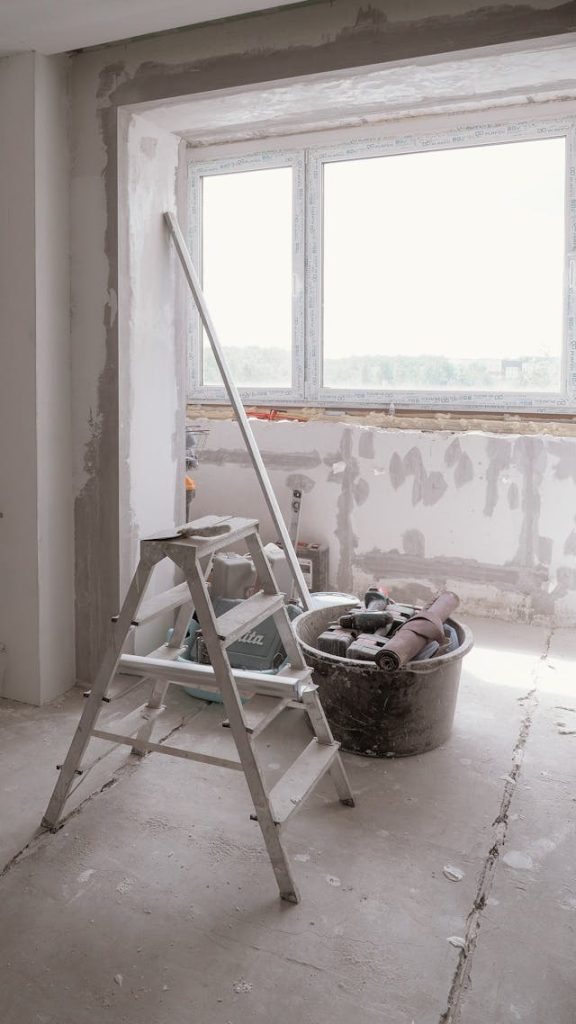
Renovating a home is exciting. Whether the plan is to modernize a kitchen, rework a bathroom, or open up living spaces, remodeling offers the chance to improve comfort, functionality, and value. But behind the new finishes and design ideas, there may be hidden issues waiting to complicate the project.
That is why involving a home inspector before and during a renovation can be one of the most practical decisions a homeowner makes.
Looking Beyond the Surface
A renovation often focuses on what can be seen: cabinets, flooring, fixtures, and paint colors. However, homes are complex systems. Walls conceal plumbing, wiring, insulation, and structural components that all need to work together safely.
An experienced inspector evaluates these systems objectively and identifies existing concerns that may not be obvious. Water damage, outdated electrical wiring, structural movement, poor ventilation, and hidden leaks are common discoveries that can significantly affect renovation plans.
Finding these issues early helps prevent expensive surprises once demolition begins.
Planning With Better Information
Every successful remodeling project starts with a clear understanding of the home’s current condition.
When an inspector assesses the property before work begins, homeowners and contractors gain valuable information that can shape smarter decisions. For example, a planned wall removal may involve load-bearing elements, or a bathroom update may reveal inadequate ventilation that should be corrected.
This knowledge allows budgets to be more realistic and timelines to be more accurate.
Protecting Your Investment
Home renovations are substantial investments. The last thing any homeowner wants is to spend thousands on beautiful upgrades while underlying defects remain unresolved.
Addressing problems such as roof leaks, foundation cracks, or moisture intrusion before cosmetic work begins helps ensure improvements last. New finishes installed over existing issues can deteriorate quickly, resulting in avoidable repairs and frustration.
A thorough inspection helps prioritize work that protects both the property and the renovation budget.
Supporting Quality Work
Inspections are not only helpful before construction starts. They can also provide reassurance during major remodeling projects.
Periodic evaluations can confirm that structural changes, electrical upgrades, plumbing modifications, and ventilation improvements are being completed properly. This additional oversight offers peace of mind and helps maintain high standards throughout the project.
Adding Confidence to the Process
Renovation projects involve many moving parts, and unexpected problems can create stress. A knowledgeable inspector brings an unbiased perspective focused on the condition and performance of the home itself.
By identifying concerns early, clarifying potential risks, and helping homeowners make informed decisions, an inspection adds confidence at every stage.
Before choosing tile samples or paint colors, it is worth understanding what lies behind the walls. That insight can make the entire renovation smoother, safer, and far more successful.
Recent Comments