
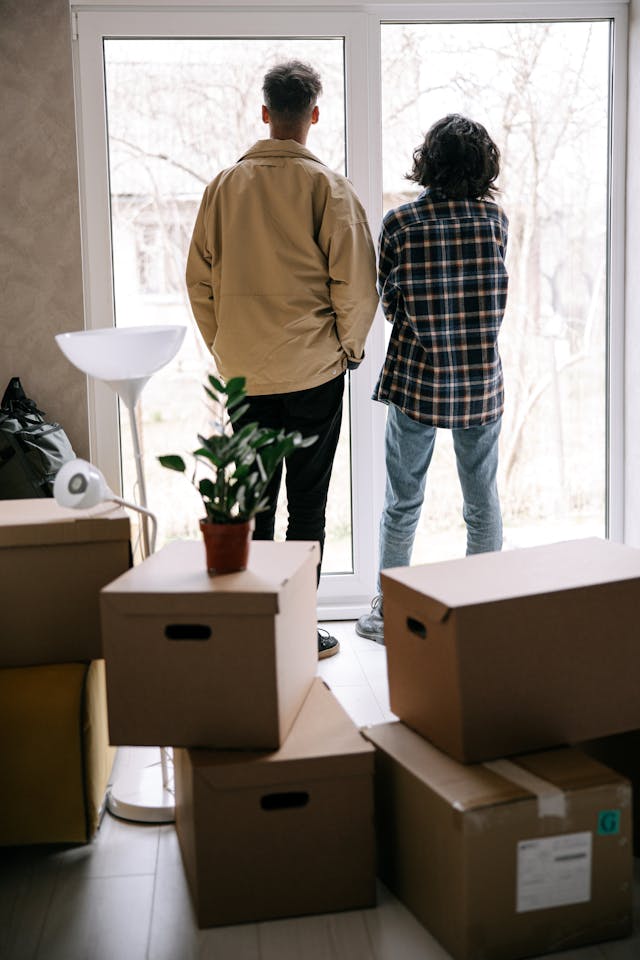
Buying a home is exciting. There’s nothing quite like getting the keys, picturing furniture in each room, and finally having a place that feels like your own. But once the moving boxes are unpacked, many first-time buyers discover something important: the mortgage payment is only part of the story.
Owning a home comes with ongoing expenses that can catch people off guard if they are not prepared. The good news is that most of these costs are manageable when they are expected ahead of time.
Maintenance Never Really Stops
Every home needs regular upkeep, no matter how new or well-built it may seem. Roofs age, gutters clog, caulking dries out, and exterior paint slowly wears down under constant weather exposure.
One of the biggest surprises for first-time buyers is how quickly small maintenance tasks can become expensive repairs when ignored. A tiny plumbing leak under a sink may not seem urgent, but over time it can damage cabinets, flooring, and even framing.
A good rule of thumb is to set aside money every month specifically for maintenance. Even newer homes benefit from a repair budget because all systems have a lifespan.
Heating, Cooling, and Energy Costs
Utility bills often look very different once a buyer moves from an apartment into a detached home. Heating larger spaces during damp winters or cooling upper floors in summer can add noticeable monthly costs.
Older homes, especially, may have insulation gaps, aging windows, or outdated heating systems that affect efficiency. Buyers tend to focus on cosmetic features during showings, but long-term operating costs matter just as much as countertops and flooring.
Simple improvements like weather stripping, attic insulation, and regular HVAC servicing can help reduce energy expenses and extend equipment life.
Water Has a Way of Finding Trouble
In the Pacific Northwest, moisture management is one of the most important parts of homeownership. Heavy rain, moss growth, poor drainage, and clogged gutters can all create costly problems over time.
Keeping water away from the home is critical. Gutters should stay clean, downspouts should direct water away from the foundation, and crawlspaces should remain dry and properly ventilated.
Many expensive structural repairs begin with moisture issues that went unnoticed for years.
The “Unexpected” Fund
Appliances fail. Water heaters quit without warning. Fences lean after storms. Even well-maintained homes eventually need larger updates like roofing, siding, or replacing a furnace.
This is where an emergency home fund becomes essential. First-time buyers sometimes spend every available dollar on closing costs, furniture, and moving expenses, leaving little room for surprises afterward.
Having savings set aside creates flexibility and reduces stress when something inevitably needs attention.
Homeownership Is Still Worth It
While the ongoing expenses can feel overwhelming at first, owning a home also brings stability, pride, and long-term value. The key is understanding that a home is not a one-time purchase — it is an ongoing investment that needs regular care.
Buyers who plan ahead for maintenance and repairs are usually the ones who enjoy homeownership the most. A well-cared-for home not only lasts longer, but also protects its value for years to come.
Recent Comments