
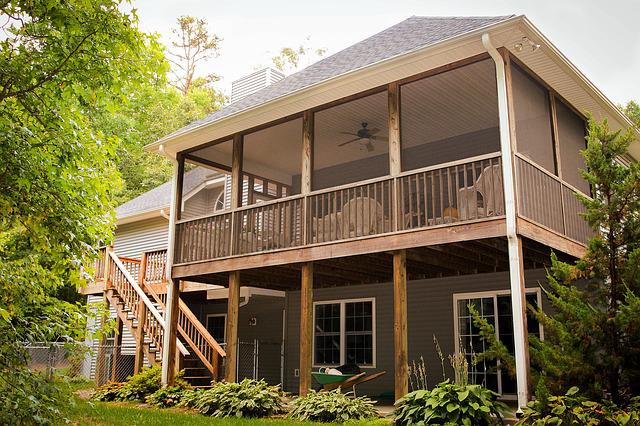
Wood rot or wood decay as it’s also called is a wood-destroying fungus that affects many homes. If left untreated, it can cause a lot of damage and cost you a lot of money, so as a homeowner, it’s good to be aware of the areas most susceptible to wood rot.
It can help to have some knowledge of wood rot so that you know what to look for in your home. As with most types of fungus, wood rot thrives in warm, damp environments (although it can also survive in many kinds of environments) If you see damage to the wood in your home, do not automatically assume it is wood rot, as other problems such as carpenter ants or termites may be the cause. This is something that should be diagnosed by a professional if you are unsure.
To help you check for wood rot in your home, here is a brief list of some of the areas most susceptible to it:
. Roof penetrations that have damaged flashing.
. Decking, particularly ground floor decks and their support posts.
. Any wood that has direct contact with concrete, masonry, or soil.
. Cracks in foundations, or any areas around the foundations where water tends to pool due to lack of sufficient grading.
. Subfloors in areas with leaking pipes or corroded plumbing fixtures, as well as the surrounds of toilets and bathtubs.
These are just some of the places you may find wood rot in your home. However, if you are concerned about wood rot affecting your home, you may want to consider having it inspected – this way, any issues can be diagnosed and treated, before they become a costly problem.
Recent Comments