
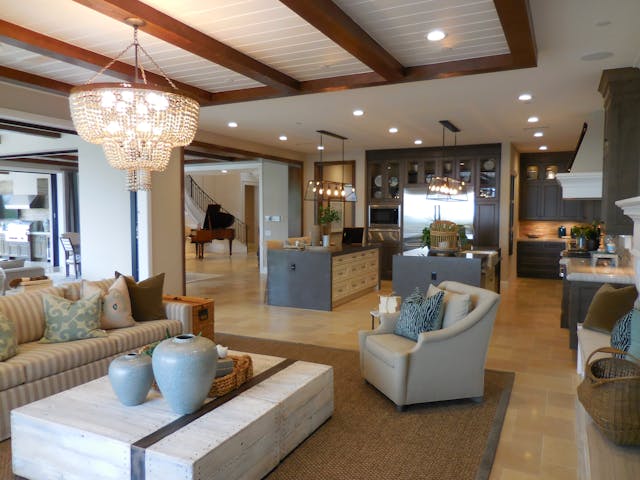
Open concept living has become a defining feature of modern home design. Removing walls to create expansive kitchens, dining areas, and living spaces can make a home feel brighter, larger, and more connected. While the appeal is easy to understand, converting a traditional floor plan into an open layout comes with structural, mechanical, and performance considerations that deserve careful attention.
Before swinging a sledgehammer, homeowners should understand the potential issues that can arise during and after an open concept remodel.
Structural Complications
One of the most significant concerns involves load-bearing walls. In many homes—especially those built decades ago—interior walls support roof structures, upper floors, or ceiling systems. Removing these walls without proper reinforcement can compromise the structural integrity of the home.
Properly addressing this typically requires engineered beams, posts, or other reinforcements. These additions must be carefully sized and installed to meet current building standards. In seismic regions like the Pacific Northwest, structural modifications must also account for lateral forces. Removing walls may reduce shear strength, which plays a critical role during seismic events. Failing to reinforce properly can create long-term safety risks.
Mechanical System Adjustments
Walls often conceal essential systems, including electrical wiring, plumbing lines, and HVAC ductwork. Once those walls are removed, these systems must be rerouted or redesigned.
Heating and cooling performance can be particularly affected. Open spaces require different airflow strategies than segmented rooms. A system designed for smaller, enclosed spaces may struggle to evenly heat or cool a large, open area. In climates with cool, damp winters and increasingly warm summers, maintaining comfort without overworking the HVAC system is essential.
Electrical layouts also change. Fewer walls mean fewer places for switches and outlets, which may result in code compliance issues if not thoughtfully redesigned.
Sound and Privacy Concerns
While open layouts encourage togetherness, they also eliminate sound barriers. Noise from the kitchen—appliances, conversations, and general activity—travels freely into living and work areas. For households with remote workers or students, this can become a daily frustration.
Additionally, the loss of visual separation can reduce privacy. What feels expansive during a showing may feel exposed during everyday life.
Indoor Air and Moisture Issues
Kitchens produce heat, moisture, and airborne grease. In an open layout, these byproducts spread more easily throughout the home. Without proper ventilation—such as a correctly vented range hood—moisture can accumulate on windows, ceilings, and cooler surfaces. Over time, excess moisture can contribute to staining, material deterioration, or even mold growth.
This is especially important in regions where outdoor humidity levels are already elevated for much of the year. Managing indoor air quality should remain a priority during any major remodel.
Energy Efficiency Impacts
Open concept homes can feel draftier and may cost more to heat. Larger, uninterrupted spaces allow warm air to rise and disperse, particularly in homes with vaulted ceilings. Without adequate insulation and air sealing, energy efficiency can decline.
Updating insulation, sealing penetrations, and evaluating window performance can help offset these challenges.
Careful Planning Leads to Better Results
An open concept remodel can transform how a home feels and functions. However, structural integrity, system performance, moisture control, and energy efficiency must all be evaluated before walls come down. Working with qualified professionals and obtaining proper permits ensures that the finished space is not only attractive but also safe, durable, and built to perform well for years to come.
Recent Comments