
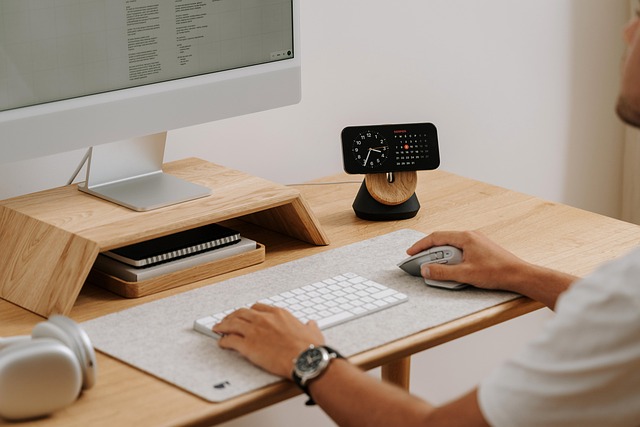
Remote work has reshaped how many homes are used. Spare bedrooms, dining rooms, basements, and even garages have been converted into offices, studios, or meeting spaces. While these changes can make daily work more convenient, they can also introduce problems that aren’t always obvious at first glance. From a construction and safety standpoint, some remote-work adaptations deserve a closer look.
Electrical Strain and Improvised Wiring
One of the most common concerns in work-from-home setups is electrical overload. Multiple monitors, docking stations, printers, space heaters, and networking equipment often end up sharing the same circuits that were originally designed for minimal use. In some homes, extension cords and power strips become permanent fixtures, which can increase fire risk. Occasionally, outlets are added without permits or proper grounding, leading to safety and insurance concerns down the road.
Ventilation, Comfort, and Indoor Air Quality
Rooms that were never intended for all-day occupancy may lack adequate ventilation. Converted basements, attic spaces, and enclosed garages are especially prone to poor airflow and moisture buildup. Over time, this can contribute to condensation, mold growth, or persistent odors. In Oregon’s climate, managing moisture is already important, and increased daily occupancy can amplify existing problems if ventilation and insulation are not addressed.
Structural and Load Concerns
Home offices sometimes involve heavier furniture than a typical bedroom: filing cabinets, bookcases, safes, or specialized equipment. In older homes, especially those with unfinished or lightly framed areas, added loads can stress floors or framing members. Modifications like removing walls for open layouts or running new cabling through framing can also compromise structural components if done incorrectly.
Unpermitted Conversions and Code Issues
It’s not unusual to see closets, porches, or garages converted into office space without permits. These areas may lack proper ceiling height, insulation, emergency egress, or heating. While the space may function well for daily use, it can raise red flags during a real estate transaction or appraisal. Unpermitted work can also complicate insurance claims if damage occurs.
Lighting and Ergonomic Side Effects
Poor lighting is another frequent issue. Offices set up in interior rooms or basements often rely heavily on artificial lighting, which can lead to excessive heat buildup or inadequate illumination. In some cases, homeowners install additional fixtures or cut in new windows or skylights without fully considering waterproofing or energy efficiency, leading to leaks or heat loss.
Thinking Long-Term
Remote work adaptations are often made quickly, with productivity in mind rather than long-term performance of the home. When evaluating a property that has been used extensively for remote work, it’s wise to look beyond surface finishes. Electrical systems, moisture control, structural changes, and permitting history all matter.
A well-designed home office can add value and flexibility. However, when changes are rushed or improvised, they can create hidden issues that surface later—sometimes at the worst possible moment. Careful planning and proper installation make all the difference between a functional upgrade and a future headache.
Recent Comments