
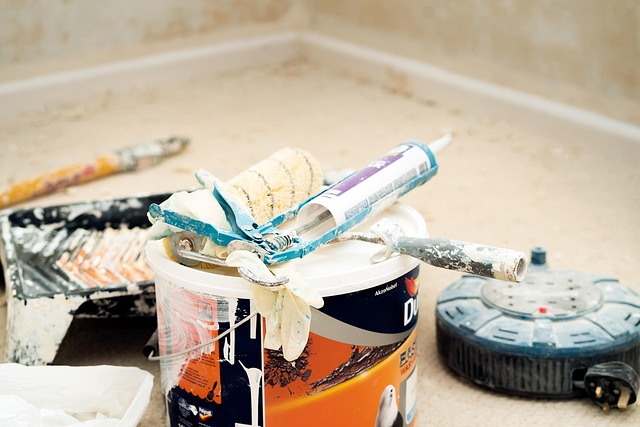
When a home goes on the market, it’s natural for sellers to want everything looking sharp and ready for buyers. A little elbow grease can go a long way—but not all do-it-yourself projects are created equal. In fact, some quick fixes intended to “help” a sale often end up creating new issues, raising red flags, or costing the seller more in the long run.
Below are some of the most common unhelpful pre-sale DIY attempts I encounter, along with why they tend to backfire and how homeowners can make smarter choices instead.
1. Cosmetic Patches Over Real Problems
A classic example is a patch of fresh paint covering a moisture stain, crack, or old leak. While the intent is usually to freshen up a room, buyers and inspectors don’t miss signs of inconsistent texture, damp drywall, or concealed cracking. When a new irregularity appears in an otherwise older space, it draws more attention—not less.
Better approach: Fix the underlying issue first, then repaint. Transparency goes much farther than cover-ups.
2. Overconfident Electrical “Improvements”
Loose outlets replaced improperly, mismatched breakers, and light fixtures wired without junction boxes are common finds. Even small electrical shortcuts can create safety hazards and delay a closing. DIY electrical work rarely meets code, and the fixes required can be more expensive than hiring a professional in the first place.
Better approach: Save electrical adjustments for licensed electricians, especially anything involving wiring changes.
3. Creative Plumbing Solutions
Pipe repairs wrapped in tape, bathroom caulking spread like frosting, or improvised drain assemblies may seem functional to the homeowner, but they rarely hold up to scrutiny. Water systems are unforgiving: even minor leaks or poorly sealed fixtures can lead to bigger issues behind walls and under cabinets.
Better approach: If the plumbing connects to water or waste, it’s worth having it done correctly—once.
4. Flooring Installed Without Proper Prep
Floating floors laid over uneven subfloors, mismatched transitions, and laminate run too tightly to walls are frequent surprises. These problems often aren’t visible until someone walks across the room and notices buckling, shifting, or soft spots.
Better approach: Ensure subfloor repairs and prep are done before installation, or hire a professional for areas larger than a small room.
5. Landscaping “Quick Fixes” That Cause Drainage Problems
Fresh mulch and soil piled against siding or foundations may look tidy but can redirect water toward the structure. That leads to moisture intrusion, rot, or pest issues—none of which are small concerns during a sale.
Better approach: Keep soil graded away from the home and avoid burying siding or vents.
Final Thoughts
DIY work can absolutely enhance a home’s appeal when done with care. The key is knowing where the line is between cosmetic refreshes and projects better left to professionals. When in doubt, address the root cause, follow local building standards, and lean on qualified help for anything involving structure, safety, or systems. Smart preparation builds buyer confidence—and can make the entire selling process far smoother.
Recent Comments