
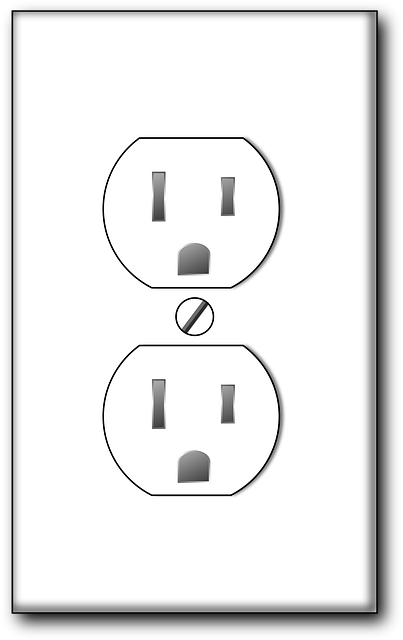
When walking through a home, cracked or broken electrical outlet covers are often overlooked. They seem minor, inexpensive, and easy to ignore. However, these small plastic or metal plates serve an important purpose, and deciding whether to replace a damaged one is not just about appearance—it’s about safety, functionality, and long-term maintenance.
Why Outlet Covers Matter
Outlet covers act as a protective barrier between occupants and the electrical components behind the wall. While they don’t carry electricity themselves, they help prevent accidental contact with energized wiring and terminals. A properly installed, intact cover also reduces the chance of debris, dust, or moisture entering the electrical box, all of which can contribute to electrical issues over time.
Risks of Cracked or Broken Covers
A cracked or missing outlet cover exposes sharp edges and, in some cases, live electrical parts. This creates an increased risk of electrical shock, particularly for children or pets. Even hairline cracks can widen over time due to heat, vibration, or everyday use, eventually breaking off entirely.
Broken covers can also allow plugs to shift or loosen, placing stress on the outlet itself. Over time, this can lead to worn connections, arcing, or overheating—conditions that raise the risk of electrical failure or fire. While the outlet may still function, the added strain is unnecessary and avoidable.
When Replacement Is the Smart Choice
In most cases, replacing a cracked or broken outlet cover is a wise decision. Covers are inexpensive, widely available, and typically easy to replace with basic tools. The cost is minimal compared to the potential safety concerns of leaving damaged components in place.
Replacement is especially recommended if:
- The crack exposes the outlet or wiring
- Pieces of the cover are missing
- The cover no longer sits flush against the wall
- There are signs of heat damage or discoloration
Upgrading to newer, more durable materials—such as heavy-duty plastic or metal—can also improve longevity and appearance, particularly in high-traffic areas.
Situations That May Require More Attention
If an outlet cover is broken due to impact, loose mounting screws, or repeated movement, it’s worth checking the outlet itself. A damaged cover can sometimes indicate a loose electrical box or worn outlet, both of which may need repair or replacement. Simply installing a new cover without addressing the underlying issue may result in repeated damage.
The Bottom Line
Replacing a cracked or broken outlet cover is a simple step that enhances safety, protects electrical components, and helps maintain a home’s overall condition. While it may seem like a minor detail, addressing it promptly reflects good maintenance habits and reduces preventable risks. In most situations, replacement is not only wise—it’s the responsible choice.
Recent Comments