
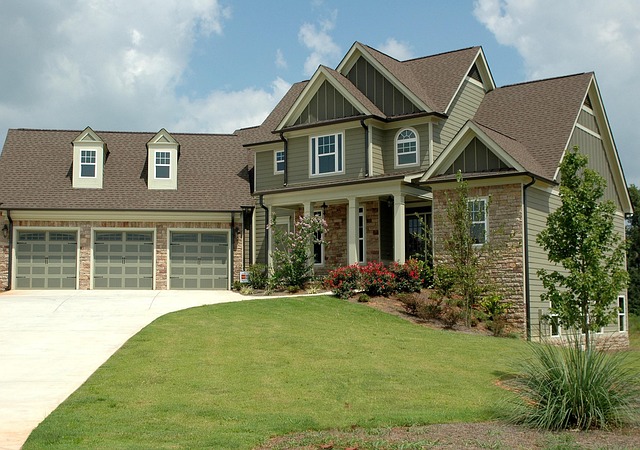
Modern homes are often marketed as safer, smarter, and more efficient than ever before. And in many ways, that’s true. Updated building codes, new materials, and advanced technology have improved overall safety. However, newer homes also come with their own set of fire hazards—some of which aren’t always obvious to homeowners. Understanding these risks is an important step in protecting both the structure and the people inside it.
Electrical System Demands
Today’s households rely heavily on electricity. From home offices and entertainment systems to electric vehicle chargers and smart appliances, electrical demand has increased significantly. While modern wiring is designed to handle more load, problems can arise when systems are modified improperly. Overloaded circuits, incorrectly installed outlets, and amateur electrical work remain common contributors to residential fires. Even newer homes can be affected if upgrades weren’t completed correctly or permitted.
Lithium-Ion Batteries Everywhere
Rechargeable batteries power everything from phones and laptops to cordless tools, e-bikes, and lawn equipment. While generally safe, lithium-ion batteries can overheat or ignite if damaged, overcharged, or stored improperly. Fires involving these batteries can spread quickly and burn intensely. Storing charging devices away from combustible materials and avoiding off-brand chargers can reduce risk.
Open-Concept Layouts and Fire Spread
Open floor plans are popular for their natural light and sense of space, but they also allow fire and smoke to travel more rapidly. Fewer walls mean fewer barriers to slow down a fire. In the event of ignition, flames can move from a kitchen to living areas much faster than in older, compartmentalized homes. This makes early detection and properly placed smoke alarms especially critical.
Modern Heating and Ventilation Systems
High-efficiency furnaces, heat pumps, and ventilation systems are generally safe when maintained, but neglect can create hazards. Clogged filters, blocked vents, or improperly installed components can lead to overheating or, in rare cases, ignition. Fireplaces—particularly gas or propane models—also require regular inspection to ensure clear venting and intact seals.
Synthetic Building Materials and Furnishings
Many modern homes use engineered wood products, synthetic carpets, and foam-based furniture. These materials can burn faster and produce more toxic smoke than older, solid-wood construction. While they meet current safety standards, their behavior in a fire makes early evacuation even more important.
Prevention Still Matters
Even in newer homes, fire safety isn’t something to assume—it’s something to maintain. Regular inspections, proper use of electrical systems, routine maintenance of heating equipment, and functional smoke and carbon monoxide alarms all play a role. Modern homes may look sleek and secure, but staying informed is one of the most effective ways to keep them safe.
Recent Comments